Gainesville Area Gutter Maintenance: What You Can Do Yourself and What to Leave Alone
Around Gainesville, gutters do not usually fail in dramatic fashion first. More often, they drift out of working order a little at a time. A downspout starts spilling too close to the foundation. A corner stays damp after every summer storm. Leaves settle in a low spot and turn into that heavy, soggy muck that blocks flow right when the sky opens up. By the time a homeowner notices a real problem, the issue has often been building for months.
That pattern is especially common in North and Central Florida. We get regular thunderstorms, tropical weather, high humidity, and plenty of fast-moving roof runoff. When gutters and downspouts are doing their job, they help move that water away from the house and toward areas that can absorb it. When they are not, water can pool near the home, wash out mulch, beat up planting beds, and create the kind of damp conditions that attract nuisance pests.
A lot of homeowners ask the same practical question: what can I safely handle myself, and when is it smarter to stop and call someone? The answer is not the same for every house, but the dividing line is clearer than people think. Basic inspection and light maintenance are often well within reach. Anything that involves working high off the ground, changing drainage behavior, or dealing with damaged components deserves more caution.
Start with what gutters are supposed to do in Florida
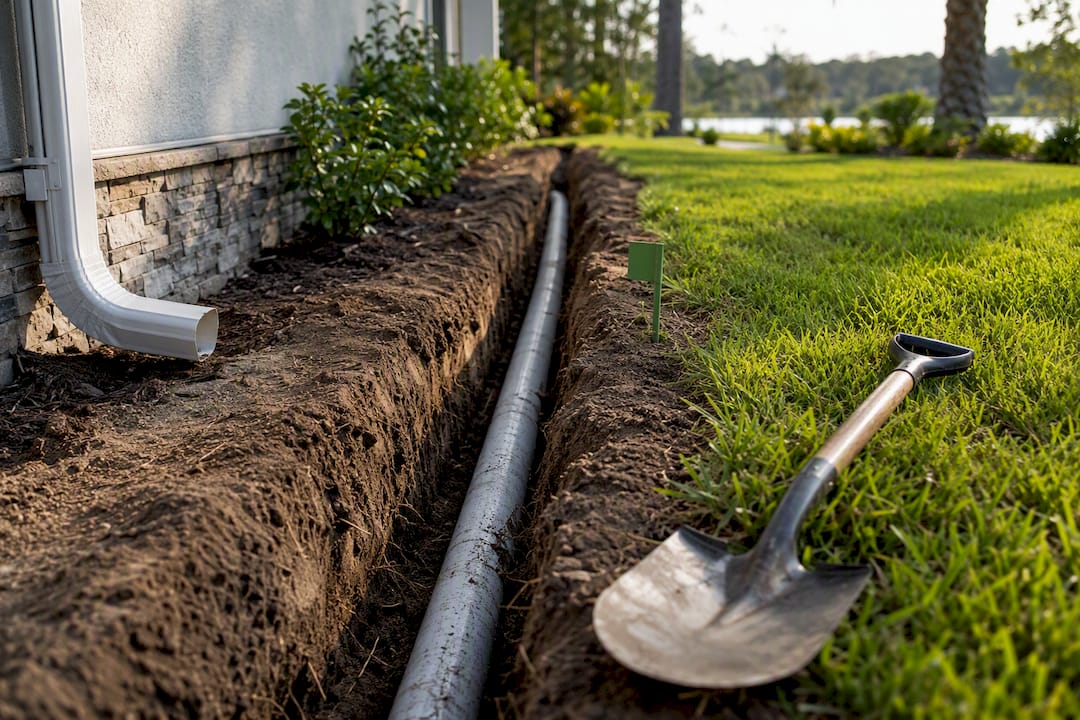
The job is not just to catch roof water. The real goal is to direct runoff to a place where it can soak in rather than collect where it does not belong. Florida-Friendly guidance consistently points homeowners in that direction. Downspouts should send water away from the foundation and toward turf, planting beds, rain gardens, rain barrels, cisterns, or other pervious areas that can absorb it.
That sounds simple until you look at how many homes route water poorly. I have seen downspouts end right beside a walkway, dump into bare sandy soil that erodes with every storm, or send runoff into a low bed that stays swampy for days. In pool homes, the stakes go up another notch. Gutter drainage for pool cages needs a little more forethought because no one wants runoff carving channels around a screen enclosure or creating mess where people are trying to enjoy a patio.
For Gainesville-area properties, good gutter upkeep is less about perfection and more about steady attention. A system that is mostly clean, firmly attached, and draining to the right place will outperform a fancy system that nobody checks.
The maintenance work most homeowners can usually do
If you are comfortable on a stable ladder, paying attention, and staying within your limits, there are a few gutter tasks that make sense to handle on your own. The key word is light. You are maintaining, not rebuilding.
A homeowner can usually inspect visible sections from the ground first, then move to a ladder only if conditions are safe. Look for obvious overflow stains, sagging runs, plant growth in the trough, loose debris near downspout openings, and splash marks where water has been jumping the gutter. During or just after a storm, you can often learn more in five minutes than you will from staring at dry metal in broad daylight. If one section pours over the edge while the rest drains normally, that tells you exactly where to focus.
Cleaning out loose leaf litter and sediment from a reachable section is also a reasonable do-it-yourself task for many people. In Florida, especially near trees, debris does not always stay fluffy and easy to scoop. It can break down into dense muck that blocks water and holds moisture. Removing that material before the rainy season gets busy can make a major difference. UF/IFAS guidance is clear that gutters and downspouts need maintenance because leaf litter and debris contribute to drainage problems. That is routine home upkeep here, not an optional extra.
You can also check that the bottom of each downspout is still discharging where you want it to. If runoff has begun pouring back toward the slab or into a bed that cannot handle it, that is worth correcting before a bigger storm exposes the weakness.
A sensible do-it-yourself routine
For homeowners who want a simple year-round gutter checklist Florida weather will not punish, keep it short and repeatable:
- Check gutters and downspouts before the heaviest summer rains and again after major storms.
- Clear reachable debris from troughs and downspout openings.
- Watch where each downspout sends water, especially near foundations, walkways, beds, and pool areas.
- Look for new sagging, separation, or overflow marks.
- Stop if the ladder setup feels questionable or the repair goes beyond basic cleaning.
That last point matters more than people admit. A lot of gutter injuries happen because someone tries to turn a quick check into a half-day repair project while balanced awkwardly beside a roof edge.
What should stay off your weekend to-do list
There is a difference between clearing debris and solving a structural or drainage problem. Homeowners often blur the line because the system looks simple from the ground. It is not always simple once you are on the ladder with a shifting gutter, slick debris, and roof runoff issues you did not expect to find.
If a gutter run is pulling away, if a downspout route needs redesign, if water is consistently collecting near the foundation, or if you suspect the drainage pattern is harming landscaping or hardscape, that is the moment to back off. Same goes for anything near second-story rooflines, awkward roof geometry, or a screened enclosure. Pool-adjacent setups can be deceptively tricky. Water may look like it is just splashing in the wrong place, when the real issue is that runoff is not being directed into an area that can absorb it.
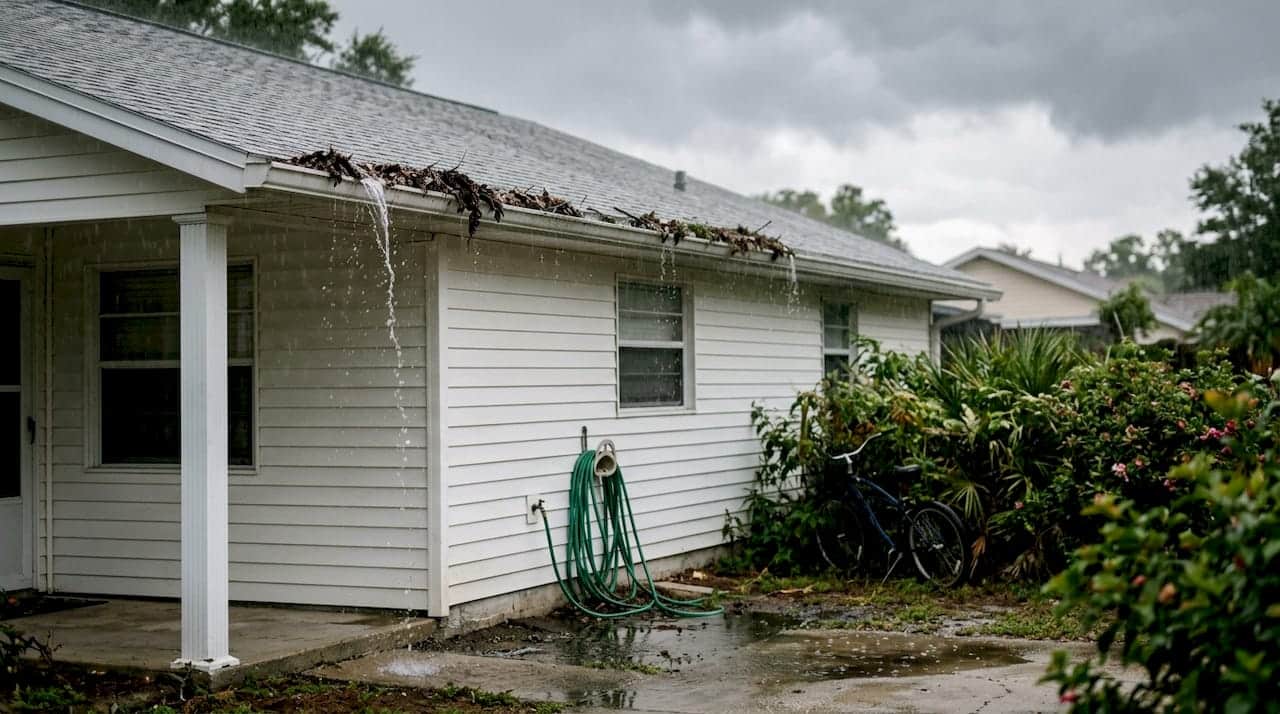
This is where the DIY gutter cleaning or hire a pro question gets settled pretty quickly. Cleaning reachable debris is one thing. Reworking how runoff behaves across the property is another. Once you are changing water movement, you are affecting foundation zones, planting beds, erosion patterns, and outdoor living areas. That deserves careful judgment.
The same is true if you own a home with a metal roof. Gutters for metal roofs Florida homes use can require extra attention to how water sheds and where it lands. I would not advise a homeowner to make assumptions there from internet videos or a neighbor’s setup. If runoff is overshooting, slamming one section harder than expected, or washing out a discharge point, the right move is evaluation, not guesswork.
The hidden trouble spots people miss
The biggest problems are not always in the gutter trough itself. Often, they show up at the end of the downspout. A homeowner clears leaves, feels productive, and never notices that the outlet is dumping water into a spot that cannot absorb repeated runoff. Florida yards can take in water well in one area and fail badly in another, especially where there is compaction, foot traffic, or exposed sand.
I have also seen people focus entirely on keeping water off the house while forgetting what happens next. If runoff shoots straight onto bare soil, you may solve one issue and create another. UF/IFAS guidance consistently favors keeping roof runoff on site in places that can absorb it, not simply shoving it to the first open corner of the yard.
Another missed area is around lanais and enclosures. Gutter drainage for pool cages needs to be thought through so runoff does not create erosion or messy overflow around the space where people walk and gather. Nobody wants to step onto a patio after a rain and find sandy washout, standing water, or mulch spread like confetti around the cage line.
A few Florida gutter myths that deserve to die
Some gutter myths Florida homeowners hear over and over sound believable because they are simple. Florida weather is not simple.
One common myth is that gutters are either fully clogged or fully fine. In real life, partial blockage causes plenty of trouble. A little debris at the wrong elbow or outlet can force overflow exactly where you do not want it.
Another myth is that all roof runoff just disappears into the yard eventually, so placement does not matter much. Placement matters a lot. Water pooling near the house can contribute to damp conditions and pest issues, and runoff can erode soil or batter plantings if it is not directed to an area that absorbs it.
There is also a strange belief that once gutter guards go on, maintenance is finished forever. Gutter guards Mount Dora FL homeowners ask about may reduce certain kinds of debris, but they do not eliminate the need to inspect the system. Any product can still end up with buildup at openings, corners, or discharge points. A guarded system that sends water to the wrong spot is still a bad drainage system.
Repairs that need judgment, not optimism
When people search for gutter repair Hawthorne FL or gutter cleaning Dunnellon FL, they are often reacting to something they can already see from the ground: drips, overflow, stains, or loose sections. Those visible symptoms matter, but they do not always reveal the whole issue. A leak at one joint may be less urgent than a downspout quietly dumping against the foundation all season. A sagging section may signal simple wear, or it may be changing the whole drainage path during storms.
This is where experienced judgment beats enthusiasm. A good repair decision starts with a plain question: is the problem isolated, or is this system no longer managing runoff well for the property? If it is isolated and reachable, maybe that is a repair. If water behavior is wrong across several areas, you may be looking at a broader drainage correction.
I would leave these situations alone and bring in qualified help:
- Work at risky heights or over difficult surfaces like pool enclosures
- Refastening or rehanging loose sections that affect slope and flow
- Changing downspout discharge locations
- Diagnosing repeated overflow despite cleaning
- Any issue that may be sending water back toward the foundation
That is not visit website fear talking. It is practical boundary-setting. Gutters only look forgiving because the parts are lightweight. Water management is not forgiving.
When replacement becomes part of the conversation
Not every gutter issue is a maintenance issue. Sometimes the real answer is that the system has reached the point where patching is no longer worth much. Homeowners often arrive at this stage after a string of nuisance problems. One season it is a leak. Then a corner starts separating. Then water begins pounding one flower bed into a trench no matter how often the trough gets cleaned.
At that point, it is reasonable to start asking about seamless gutters Williston FL homeowners often consider, or more generally, what a replacement would involve for a Florida house. The tricky part is avoiding hard-and-fast assumptions about price or product choices. Gutter installation cost factors Florida homeowners should think about can vary with layout, access, height, and how the downspouts need to direct runoff. Even without pinning down exact numbers, one thing is clear: drainage design matters as much as the material itself.
Color comes up too, usually later than it should. Gutter colors for Florida homes are not just a style question. They are also an exterior appearance question that may intersect with neighborhood rules. In HOA communities, exterior standards can apply to color and style decisions. At the same time, those standards still have to work within the law and code requirements. The practical takeaway is simple. Before ordering a replacement system, check what approvals or appearance rules may apply.
Why “good enough” cleaning can still lead to bad drainage
A homeowner can scoop out debris and still miss the actual problem. That happens all the time. The trough looks clear, yet overflow continues because the water has nowhere useful to go after it leaves the downspout. Or a discharge point is aimed at a compacted side yard that cannot absorb repetitive runoff. Or the runoff is being sent toward a walkway where it cuts channels along the edge.
Florida-Friendly landscaping principles are a helpful lens here. The goal is to reduce stormwater runoff and keep water on site when possible by directing it to pervious areas. That means the health of your gutter system is tied to the health of your landscape, not separate from it. If the lawn or planting bed at the discharge point is being eroded, the gutter system is not really finished doing its job just because water made it off the roof.
That is one reason I encourage homeowners to watch the whole path during a hard rain when it is safe to do so. Do not just look up at the gutter. Look down and out. Where does the water land? Does it spread into turf? Does it gouge mulch? Does it pond beside the slab? Does it create a slick mess near the pool screen? Those observations tell you whether you are dealing with a cleaning issue or a drainage issue.
A Gainesville-area approach that actually holds up
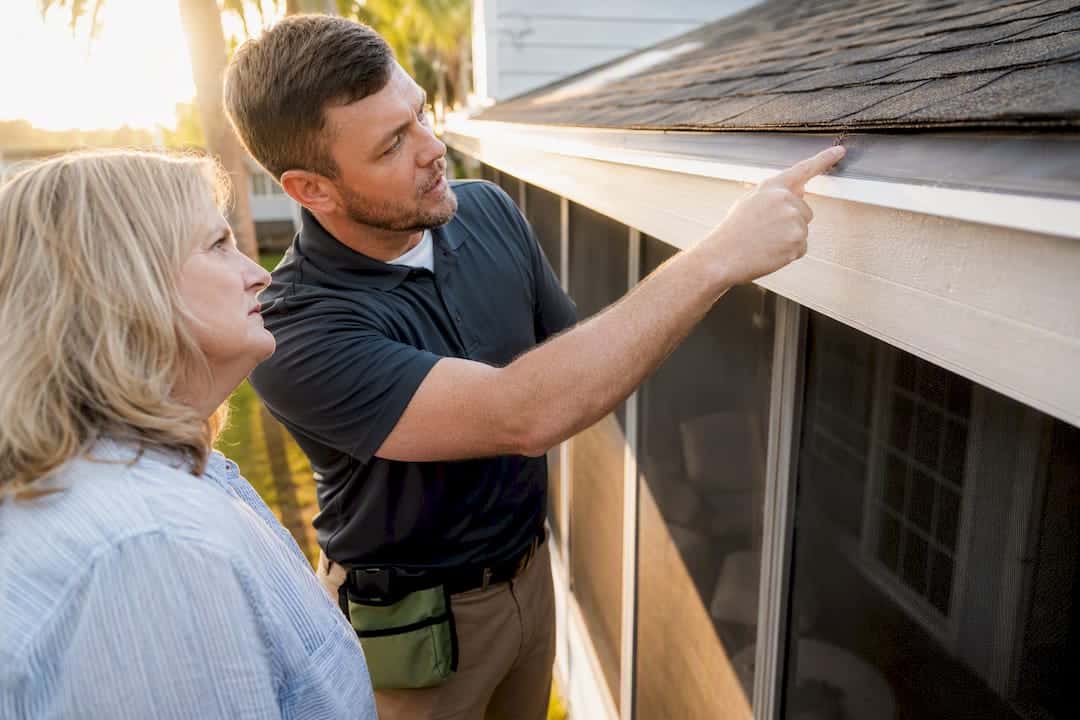
The best maintenance plan for this region is boring on purpose. It is based on timing, observation, and humility. You inspect before the rainy stretch gets serious. You check again after heavy storms or tropical weather. You remove debris before it turns into a wet dam. You pay attention to where water goes after it leaves the roof. And you resist the urge to turn every problem into a do-it-yourself challenge.
That approach works just as well for a simple ranch house as it does for a larger property with a screened patio or more complicated rooflines. It also keeps you from getting sidetracked by sales talk or persistent myths. Not every home needs a major upgrade. Not every issue needs immediate replacement. Not every homeowner should be on a ladder trying to diagnose a drainage pattern alone.
If your system is sound, regular upkeep goes a long way. If your runoff is damaging beds, pooling near the house, or making a mess around outdoor living areas, the answer is not more cleaning. It is better planning for where the water should go.
And that is really the dividing line between what you can do yourself and what you should leave alone. Maintenance is about keeping a working system clear and visible. Repair and redesign are about changing how water behaves around your home. The first is often manageable. The second deserves respect. In Florida, that respect saves time, money, and more than a few soggy surprises.